
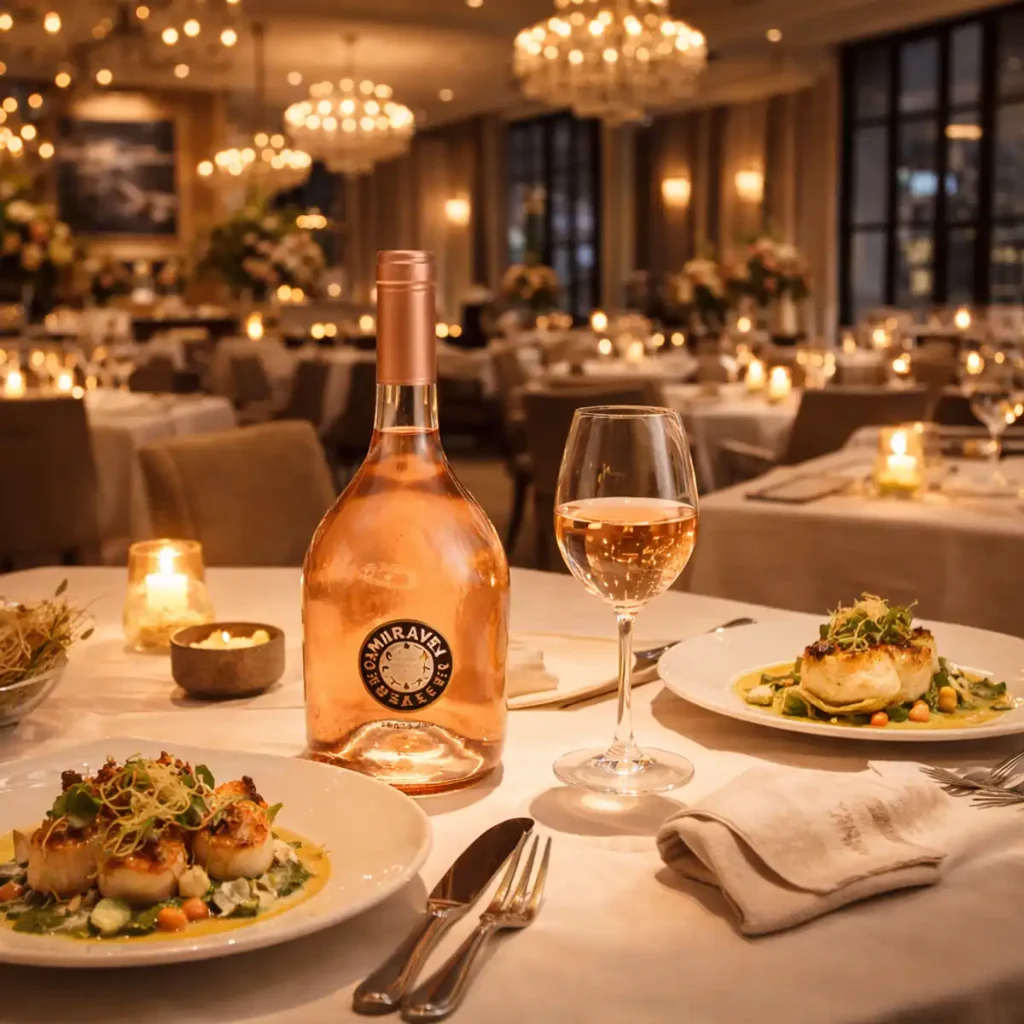
If you are wondering whether Miraval Rosé is worth buying, the answer is yes, as long as you know what to expect. It sets a modern standard for Provence rosé, thanks to high-altitude grapes, limestone soils, and a technical partnership with Famille Perrin that elevates it beyond a mere celebrity wine. For online shoppers, Miraval is a reliable choice when you want a pale, dry, food-friendly rosé with freshness and structure, not just sweetness.
Miraval is also an unusual public case study in how image, ownership, and litigation can sit alongside serious viticulture. Brad Pitt is the headline name, Angelina Jolie remains central to the estate’s recent history, and the ongoing dispute over control has become part of the brand’s global story. Yet the wine’s consistency is driven less by celebrity drama than by place, farming choices, blending, and cellar work.
Understand what Miraval Rosé tastes like before you buy
Miraval Rosé is made to be pale, dry, aromatic, and precise. It works well as an aperitif but also pairs nicely with food. You can expect flavours of small red berries, peach skin, citrus, and a fresh, slightly salty finish. The style focuses on aroma and texture instead of heavy fruit, which is why it’s popular in restaurants that take rosé seriously.
When shopping, think about what you want from your rosé. If you prefer an easy, fruity pink wine for sunny days and ice, Miraval might seem a bit reserved. But if you want a bottle that stays balanced as it warms and keeps its flavour with food, Miraval is a strong choice. This balance comes from careful vineyard and harvest decisions that keep its acidity and aroma.
Fun fact: Pink Floyd recorded parts of The Wall at Studio Miraval in 1979.
Choose between Miraval, Studio and the top cuvées with confidence
For most people, the real question is which Miraval to choose. The lineup includes the main estate rosé, a more coastal style called Studio, and premium bottles meant for fine dining or collecting, not just summer sipping.
Start with intent.
If you want the classic house statement, choose Miraval Rosé. It is the bottle most closely linked to the Correns valley identity and the Perrin-led technical approach, with a polished, mineral-leaning style that has made it a reference point in premium Provence.
If you want a lighter, more seaside-tilted rosé, choose Studio by Miraval. It is positioned as a tribute to the recording studio heritage, and in practice, it reads as a slightly different Mediterranean register, often with a brisker edge and an overt salt-and-citrus feel. UK press tastings have also framed Studio as a strong value for its quality tier.
If you are buying for a special dinner or cellar curiosity, look at the prestige releases, where available. The most widely reported “serious” expansion is Fleur de Miraval, the rosé Champagne project created with Rodolphe Péters and the Perrin family, positioned as a house dedicated exclusively to rosé Champagne.
Know why the Perrin partnership matters more than the celebrity label
Miraval’s credibility hinges on a simple truth that the trade tends to respect. When famous people attach their names to wine, the quality is usually the unknown variable. At Miraval, quality became the focus once the Perrin family took on an operational role, bringing long-term viticultural discipline and Rhône blending experience. The early commercial proof was dramatic, with the first release selling through rapidly and signalling that the market would pay attention if the wine delivered.
This is where Brad Pitt’s “owner” status becomes relevant in a way that goes beyond marketing. The estate’s public image may draw you in, but a sustained premium position needs repetition and technical control across vintages. The Perrin partnership supplied that foundation, which is why Miraval is discussed alongside leading names in the region rather than filed away as a short-term celebrity project.
Learn the terroir factors that make Miraval more than pale branding
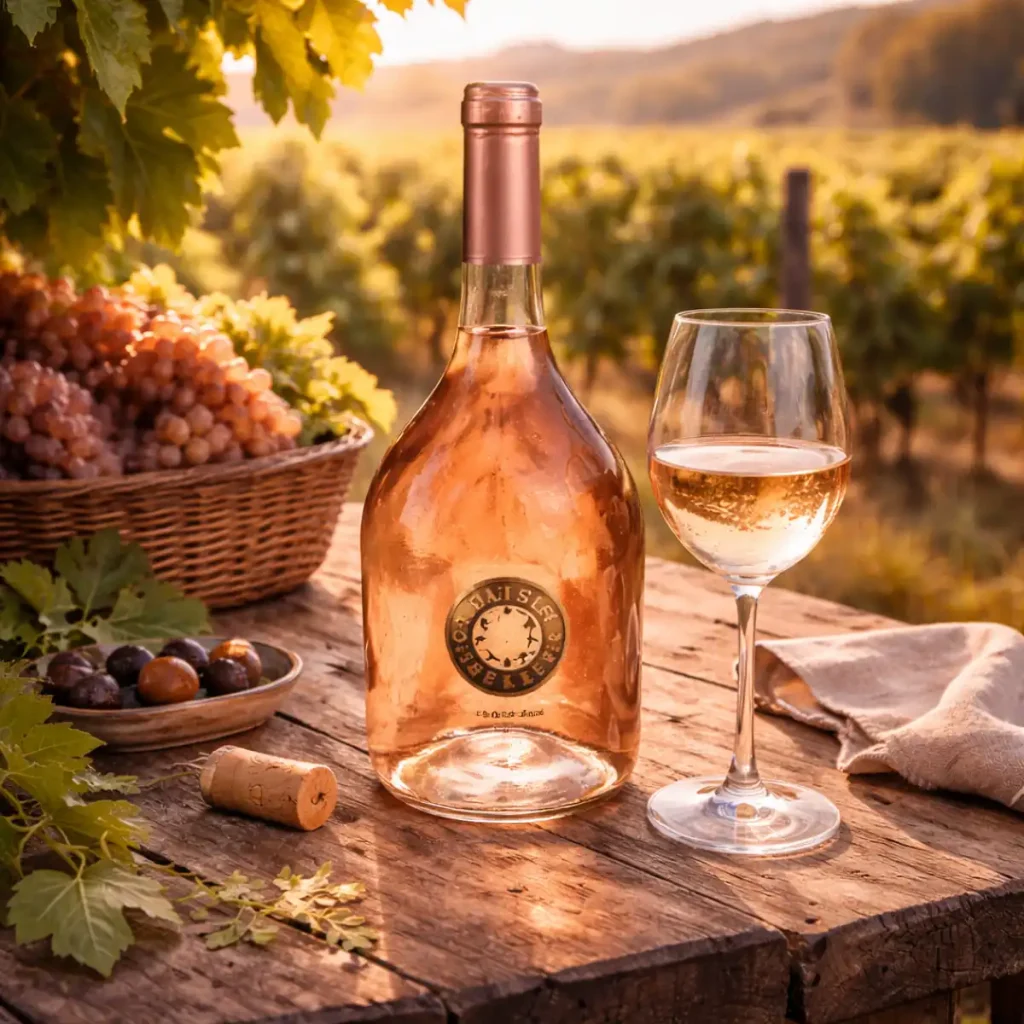
Miraval is located in the Var region of Provence, near Correns, which is cooler and higher than the coastal areas most people think of for Provence rosé. This altitude helps the grapes ripen slowly and keep their acidity, making Miraval lively and good with food, not just fruity.
Soils are another part of the story. Across Provence, clay-limestone combinations are common. Soil is also important. In Provence, clay-limestone soils can give rosé more structure and a slight chalky feel, adding shape without tannin. The Perrin family highlights Keuper marl in parts of the estate, and these marl-limestone soils often bring a salty, mineral taste to the wine, even if ‘minerality’ is more about taste than science. as France’s first organic village. That matters culturally, because it places Miraval in a landscape where organic farming is part of local identity, not a late marketing add-on.
Get the grape blend right so you can predict the flavour
Miraval’s rosé uses classic Provençal grapes. Knowing what each grape adds can help you shop with confidence. The blend usually includes Cinsault, Grenache, Syrah, and Rolle, with the mix changing each year and by vineyard.
Cinsault is often the finesse engine. It tends to lift aromatics, keep colour pale, and hold a fine red-fruit perfume without heaviness.
Grenache is the mid-palate builder. It can add ripeness, warmth, and a rounder strawberry-and-peach register.
Syrah brings edge and spice. In rosé, it can add structure and darker tonal hints even when the wine remains pale.
Rolle, also known as Vermentino, is a fresh and savoury lever. It can contribute herbal citrus notes and a salty finish, making rosé feel more gastronomic than purely fruity.
If you like rosé that tastes “clean” and precise rather than sweet-edged, look for blends that include Rolle and are handled with a light touch in the winery. If you want more weight, you will usually be happier with regions like Tavel, Bandol, or darker rosato styles, rather than expecting Miraval to behave like a red wine in pink clothing.
Understand the winemaking choices that keep Miraval crisp and stable
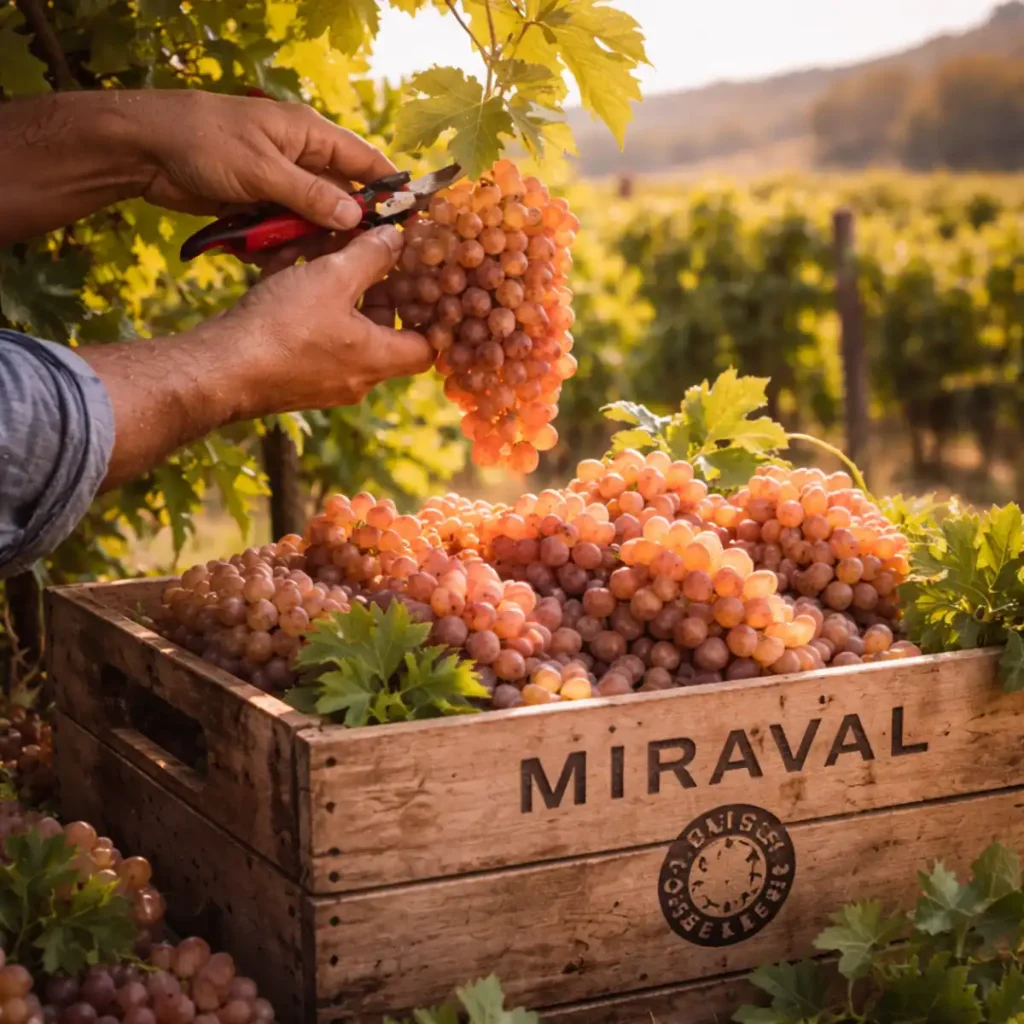
Miraval is made in a modern Provence style that focuses on freshness and clear aromas. The details can change, but the main approach is common in top rosé: picking grapes early, keeping them cool, and fermenting to protect delicate fruit and floral notes. The estate describes the wine as pale pink-gold with strong floral aromas, matching its market image.
A small amount of barrel work is often used in premium rosé to add texture without making the wine taste “oaky”. If you notice a slightly creamier mid-palate on Miraval compared with entry-level Provence bottles, that is usually the result of lees contact and restrained élevage decisions rather than overt wood flavour. It is also one reason the wine can cope with richer dishes, including roast chicken, salmon, or cream-touched sauces, where simpler rosé can taste thin.
Make sense of organic and natural wine claims without wishful thinking
Miraval is frequently discussed in the same breath as organic farming because of Correns’ reputation and the Perrin family’s long association with organic and biodynamic practice. At the consumer level, it is worth separating three ideas that often get bundled together online.
Organic viticulture is about how grapes are grown, including restrictions on synthetic herbicides and pesticides.
Natural wine is a loose cultural term, often implying low-intervention winemaking, minimal additions, and sometimes low or zero sulphur, with styles that can be deliberately more variable.
Sustainability is broader still, spanning biodiversity, water use, packaging, and labour issues, and it is not automatically guaranteed by any single certification.
If you are a natural wine drinker, Miraval may not behave like the bottles you buy from small growers pouring cloudy, zero-addition rosé at a specialist bar. Its success relies partly on repeatable quality at scale, which usually means tighter control and a cleaner, more consistent finish than the wilder end of the natural spectrum. That is not a moral judgement. It describes how large luxury wines remain stable across markets and storage conditions.
Track the ownership dispute because it shapes perception, not flavour
The Miraval story remains inseparable from Brad Pitt and Angelina Jolie because ownership and control have become the subject of public litigation. Reports widely describe Jolie’s sale of her stake in 2021 to Tenute del Mondo, an affiliate of the Stoli Group, followed by Pitt’s claims that the sale breached an agreement requiring mutual consent. Both sides have contested key details, and the dispute has continued even after the divorce was reported as finalised in December 2024.
For wine buyers, the immediate question is whether this changes what is in the bottle. In the short term, the better framing is that production is anchored by the Perrin family’s technical role and established supply chain decisions, which helps explain why the wines have not abruptly shifted style with each court filing. In the longer term, brand positioning, distribution relationships, and the estate’s strategic direction can all be influenced by who ultimately controls decisions. If you are buying Miraval as a consistent restaurant-quality Provence rosé, the practical impact is likely limited. If you are buying it as a luxury brand with long-term collectable ambitions, ownership outcomes matter more.
Place Miraval in the wider UK rosé shift toward premium bottles
Miraval has benefited from a bigger trend: rosé is now a year-round choice in top restaurants and wine shops, not just a summer option. Reports show that European rosé is growing in the premium segment, with higher prices and lifestyle appeal becoming more important than sales volume alone.
In the UK, you can see this change in how restaurants and bars now treat rosé as a category to curate. Star Wine List even added a Best Rosé Wine List award, sponsored by Miraval, showing that industry leaders want to boost rosé’s reputation beyond just summer sales.
If you are buying online, the risk with rosé is often not quality but a mismatch. Provence rosé is usually pale and dry, not because paleness guarantees quality, but because the region has codified a style that rewards precision and restraint. Retail education still lags, and many shoppers continue to read colour as sweetness, even though the production method is the real driver. For that reason, buying from a merchant that provides temperature guidance, food pairing notes, and clear storage advice can matter as much as which bottle you choose.
Use serving temperature and food pairing to get the best from the bottle
Don’t serve Miraval too cold. Chill it, but not so much that you lose the floral notes and fresh, salty edge. Lighter Provence rosés are best at about 7-10°C, then let them warm up a bit in the glass as you enjoy your meal.
Miraval really shows its value when you pair it with food.
It pairs well with seafood because its saltiness, acidity, and delicate fruit flavors go nicely with oysters, grilled prawns, tuna niçoise, and simple white fish.
With poultry and lighter meats, Miraval works with roast chicken, charcuterie, carpaccio, and herby Mediterranean vegetables.
With spice, it can behave better than many red wines. With spicy food, Miraval often does better than many red wines if the heat isn’t too strong. It’s good with dishes that have chili, tomato, citrus, and fresh herbs. and not too sweet, such as strawberry and rhubarb, so the wine does not taste thin.
Follow the cultural history because it explains why Miraval became global
Miraval’s pre-celebrity history is not just trivia. It is part of why the estate attracts attention beyond wine, and it reinforces the idea that this place has long been used as a stage. The recording studio founded by Jacques Loussier in 1977 became famous for hosting major artists, and the studio’s modern reopening has also been reported as a serious restoration project linked to Pitt and producer Damien Quintard.
There’s even more history, like Joseph-Louis Lambot’s work with early reinforced concrete at Château Miraval. This shows a tradition of technical innovation alongside rural life. The mix of engineering, culture, and land is part of what makes Miraval interesting beyond just its label.
Decide what to buy next using a simple Miraval pathway
If you want to experience the estate’s classic style, start with Miraval Rosé, and try a second vintage if possible, since rosé changes with the weather and harvest. For a fresher, coastal style, add Studio by Miraval for comparison. If you’re exploring rosé as a fine wine, treat the top cuvées as dinner wines, not just for the pool, and serve them in a bigger glass at a slightly warmer temperature to let the flavours develop.
The paradox with Miraval is that while the headlines focus on people, the real story is about the land and farming. Ownership disputes and celebrity will always draw attention, but what matters most is the terroir, grape varieties, and skilled winemaking that keep the wine consistent. Miraval is like a well-made film: you might be drawn in by the star, but you remember it for the quality.


