
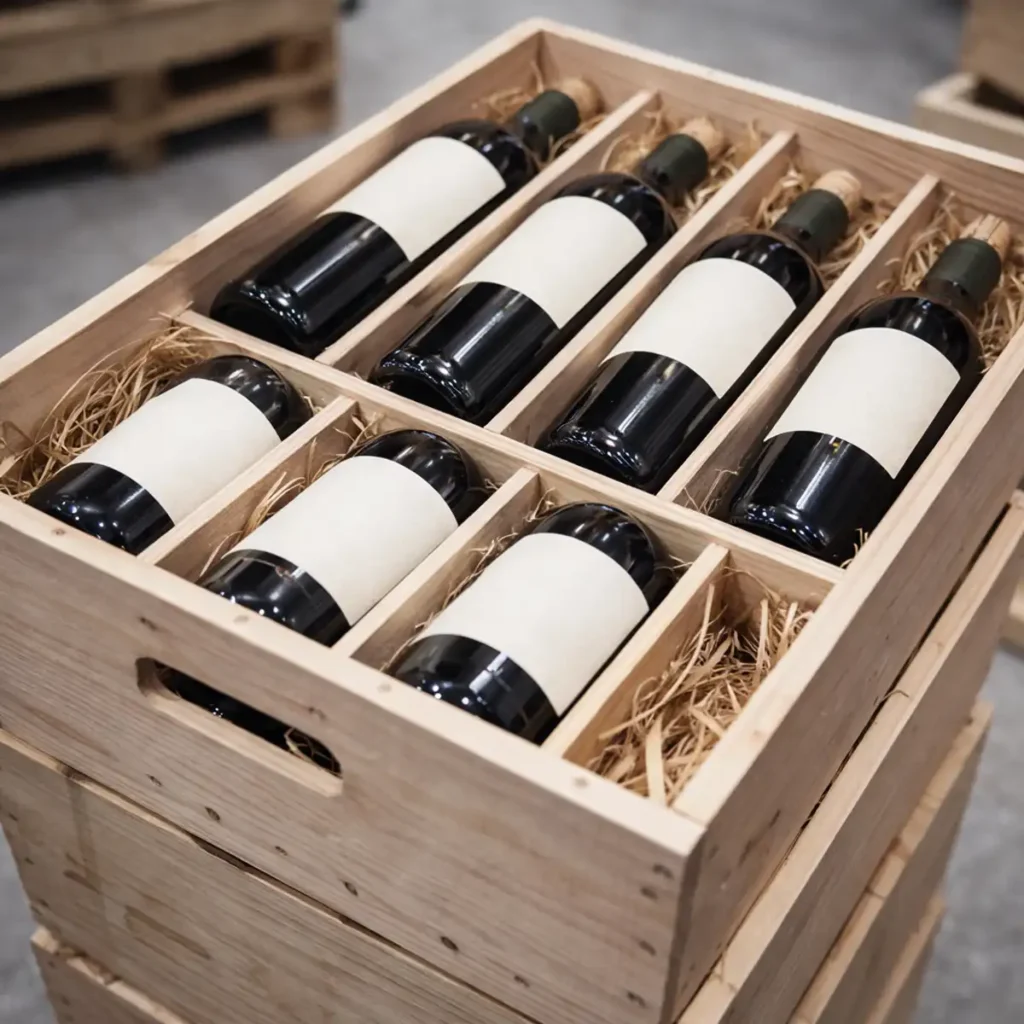
Sustainability has moved from tasting room chatter to a severe test of credibility for wineries and retailers. The question is no longer whether a producer can express a site with precision. It is whether the journey from vineyard to shelf does more harm than it needs to. Vegan wine is part of this debate because it signals restraint in the cellar, yet the complete environmental picture spans far more than just fining choices. A robust assessment follows the whole life cycle assessment approach, from inputs in the vineyard to packaging, transport and end of life.
Evidence from industry studies is consistent on one stark point. The typical 750 mL bottle of wine carries more than 1 kg CO₂e through its life. The most significant single slice often comes from the glass bottle, not the vines or the fermenter. That is both sobering and useful. It tells producers and buyers where the most significant wins sit. It also reframes sustainable wine as a set of practical decisions rather than a label claim. Farming, energy, water, packaging and logistics each add up. Taken together, they decide the size of the footprint and the credibility of the story.
This feature maps those decisions across the upstream, midstream and downstream stages. It contrasts conventional practice with sustainable vegan wine and outlines what buyers can look for on labels and technical sheets. It does not ask readers to accept loose promises. It points to actions with measurable impact, from soil to shipping.
Fun fact: Glass manufacturing can require furnace temperatures near 1,500 °C. Cutting bottle weight sharply reduces both production energy and freight emissions without touching wine quality.
Upstream impacts chemical biodiversity and soil carbon
The upstream stage sets the baseline. Vineyard choices establish the chemical load, the resilience of the farm system and the latent capacity of soils to store carbon. Conventional viticulture leans on synthetic nitrogen fertiliser and routine applications of herbicides, fungicides and insecticides. These inputs deliver short-term control, but they drive greenhouse gas emissions and degrade the living structure of soil.
The conventional load, carbon, water, and toxicity
Two forces dominate. First, the manufacture of synthetic nitrogen is energy-intensive. It embeds significant CO₂e before a single pellet reaches the field. Once applied, nitrogen can escape as nitrous oxide, a greenhouse gas with a global warming potential roughly 300 times that of CO₂ over 100 years. Even modest losses matter.
Second, pesticide and herbicide regimes carry a water and toxicity cost. They add to the grey water footprint by requiring dilution in receiving waters to reach acceptable quality thresholds. They can also harm non-target organisms in the soil food web. The result is lower biodiversity, slower nutrient cycling and reduced soil structure. Over time, vineyards can become more reliant on external inputs, locking in higher emissions and costs.
The sustainable alternative is lower emissions and living soils
Certified organic and biodynamic vineyards address these problems at source. They avoid synthetic nitrogen and replace it with composts, mulches and cover crops. They manage weeds mechanically or with under-vine cover rather than with herbicides. They time sulphur and copper applications carefully and use biological controls where appropriate. These practical solutions empower producers and buyers to make a positive impact on the environment.
The results are practical. Avoiding synthetic nitrogen cuts embedded emissions in the fertiliser supply chain and reduces nitrous oxide risk in the field. Building soil organic matter increases water holding capacity, reduces erosion and supports a diverse microbial community. Healthy soils can sequester carbon over time, which helps to offset a share of vineyard emissions.
Claims vary by site and method, so numbers must be treated with care. What is consistent is the direction of travel. Organic and biodynamic vineyards tend to show lower CO₂e per hectare, cleaner runoff and higher biodiversity indices. These gains set the stage for a more sustainable and environmentally friendly wine industry, offering hope for a brighter future.
Bold takeaway for buyers: look for organic certification, biodynamic certification or clear documentation of cover cropping, compost use and herbicide avoidance on producer technical sheets. These markers correlate with lower upstream emissions. Your choices as a consumer can drive the wine industry towards a more sustainable future.
Midstream operations, energy, water, and cellar waste
The winery phase moves the focus to electricity, water and materials handling. Temperature control is the primary energy draw. Water is used for cleaning and sanitation. Fining choices affect waste streams. Equipment and layout influence both energy demand and labour.
Energy demand for refrigeration dominates
Fermentation temperature, cold stabilisation and storage create a steady pull on the meter. In many regions, grid electricity still carries a fossil share. That means each kilowatt hour has a CO₂e cost. Efficient wineries tackle the problem at the design and operations level.
Insulation reduces heat gain and loss. Earth-sheltered cellars stabilise ambient temperature. Gravity flow layouts lower pumping requirements. Variable speed drives match energy use to real load instead of running motors flat out. Smart controls avoid running chillers when the night air could do the job.
A growing number of producers invest in on-site renewables. Roof-mounted solar PV can offset daytime loads and cut net emissions where grid carbon intensity is high. Paired with demand management, renewable generation can move a winery toward a net positive status across the year.
Water use and wastewater quality
Cleaning-in-place routines, careful hose use and recovery systems reduce consumption. Hot water production is a hidden energy sink, so heat recovery on compressors and chillers is essential. Wastewater composition matters for discharge or on-site treatment. Conventional fining agents based on animal proteins add organic load and nitrogen to winery effluent. Vegan wine practice aligns with simpler streams. Bentonite clay and plant protein residues behave more like mineral and plant waste, making them easier to settle and compost with lees and skins.
Clarification choices and environmental alignment
Fine choices are a small share of the global footprint, yet they indicate cellar philosophy. Producers focused on minimal inputs prefer gravity settling, longer élevage, and low-dose bentonite for heat stability in whites. Where structure needs careful shaping, pea or potato proteins can replace egg white without animal inputs. Cross-flow filtration offers additive-free microbial and clarity control at modest pressure. Together, these steps simplify cellar waste management and prevent animal products from entering wastewater.
Bold takeaway for buyers: search for renewable energy use, gravity flow layouts, water conservation statements and vegan fining policies in producer disclosures. These signals mark meaningful midstream reductions.
Downstream impacts packaging weight and transport
Packaging and logistics dominate most wine LCAs. The glass bottle is energy-intensive to make and heavy to move. Freight emissions scale with weight and distance. Lightweight formats offer immediate, high-leverage cuts that do not require changes in farming or winemaking.
The carbon cost of glass
Standard heavy bottles can weigh 750 g to 900 g before a drop of wine is added. Lightweight bottles reduce that to roughly 400 g to 450 g, as the material and heat required to produce heavy glass drive higher factory emissions. The extra mass then increases the fuel needed to transport pallets across countries and oceans.
Alternative formats go further. Bag-in-box and aluminium cans reduce packaging weight to tens of grams. They pack densely, ship efficiently and cut breakage losses. They also suit short shelf life styles where the wine is intended for near-term drinking.
Bold takeaway for buyers: prioritise lightweight glass bottles at 420 g or less for traditional formats. For house pours and casual service, consider bag-in-box wine and quality canned wines. The cut in packaging and freight emissions is material.
Freight choices and last mile
Transport mode matters. Rail and sea carry far lower emissions per bottle than air. Within regions, consolidated shipments and full truckloads reduce grams of CO₂e per unit. The last mile also counts. Refill schemes for local delivery and returnable bottle systems are re-emerging in some markets. Where infrastructure exists, these can decrease the net impact further by keeping glass in circulation.
End of life and recycling
Recycling rates for glass vary by country and region. Clear messaging on labels and at the point of sale helps. Producers can boost recycling quality by avoiding heavy inks, plastic sleeves and composite closures that complicate sorting. Buyers can advocate for closed-loop systems and support retailers that collect empties for return.
Bold takeaway for buyers: ask suppliers for bottle weights, transport modes and recycling guidance. Weight and mode are the strongest downstream levers under immediate control.
Vegan practice within the sustainability toolkit
Vegan certification confirms that no animal-derived fining agents were used. It is not a complete sustainability label, but it correlates with a minimal intervention mindset. That mindset prefers patience over shortcuts. It tends to limit additives. It values transparency in technical notes. These habits align with broader environmental goals.
Why vegan choices complement climate action
Animal protein fining agents add complexity to procurement and waste management without offering unique environmental benefits. Bentonite clay secures protein stability in whites. Plant proteins can refine tannin profiles in reds with careful dosing. Longer time on fine lees enhances mouthfeel and stability without additives. These steps reduce waste loads, avoid animal inputs and simplify disclosures.
For buyers, vegan marks on labels and lists provide a fast heuristic. When combined with organic or biodynamic certification and lightweight packaging, they point to systematic reductions across the life cycle.
A practical buyer’s guide to lower-impact wine
Professionals and consumers can apply a simple set of filters to find lower-impact wines without guesswork.
Identify farming. Prefer certified organic or biodynamic vineyards, or verifiable regenerative practice with cover crops and composts. If uncertified, look for pesticide use disclosures and herbicide avoidance.
Check the bottle weight. Ask for the empty bottle mass. Choose ≤ 420 g when possible. Adjust house lists to favour light bottles where style and storage stability allow.
Review packaging formats. For fresh whites and rosés in high-rotation settings, consider quality bag-in-box with a 3 L or 5 L format to cut packaging CO₂e by 60% to 90% compared with glass.
Confirm vegan status by looking for vegan certification or clear statements about fining and filtration. Prefer vegan wine for fewer inputs and simpler waste streams.
Assess energy. Favour producers who use on-site solar PV or purchase accredited renewable electricity. Ask about cellar insulation and gravity flow layouts.
Audit water. Support wineries that publish water use per litre of wine and demonstrate reductions through efficient cleaning and recovery.
Check transport. Avoid air freight. Ask importers about consolidation and modal choices. Choose closer origins when style and pricing match your brief.
Plan end of life. Encourage glass recycling and support returnable bottle pilots where available. Communicate bottle weight and recycling instructions on lists and shelf talkers.
Case lens: how choices add up across the chain
Consider two hypothetical bottles of the same style and price point. Both are dry white wines for by-the-glass service.
Bottle A is conventionally farmed with synthetic nitrogen and herbicides. The winery uses grid electricity for cold stabilisation and routine pad filtration. The wine is fined with egg white. The bottle is made of 800 g of glass. The wine is shipped by road and sea with no consolidation. Recycling instructions are absent on the label.
Bottle B is organically farmed with cover crops and compost. The winery runs solar PV, uses gravity flow and insulates well. The wine is clarified by gravity with a small bentonite clay dose after bench trials. No animal inputs are used. The bottle is 410 g of glass. The importer consolidates loads and ships by sea and rail. The label carries vegan and organic marks, bottle weight and clear recycling guidance.
Even without assigning exact numbers, the direction of impact is clear. Bottle B cuts upstream emissions by avoiding synthetic nitrogen and improving soil carbon. It lowers midstream energy through design and renewables. It simplifies wastewater. It slashes downstream emissions through lightweight glass and efficient freight. It supports better recycling outcomes. The combination of actions matters more than any single claim.
Communication and trust building
Sustainability claims must be specific to be credible. Avoid vague language. Use numbers where available. Share bottle weights, energy sources and farming practices. Publish LCAs when completed. Provide technical sheets that list fining, filtration and packaging choices for each cuvée. Retailers and restaurants can echo these details on lists and in staff briefings. This turns sustainability from a marketing line into service knowledge.
Bold takeaway for producers: transparency is a competitive asset. It shortens buyer due diligence and earns repeat placements.
Common myths about retirement
Heavy bottles signal quality, while weight signals waste. Quality rests in farming and winemaking, not glass mass.
Vegan wine is less stable. Stability depends on process control: Bentonite clay, time on lees and careful filtration secure stability without animal inputs.
A bag-in-box is only for low-grade wine. Format and quality are independent. For fresh styles consumed within months, bag-in-box can protect quality while cutting CO₂e by 60% to 90%.
Organic farming lowers yield, so it cannot be sustainable. Yield impacts vary by site and season. Long-term soil health and reduced input costs can support both resilience and sustainability.
Air freight is necessary for freshness. Planning, cold chains, and sea freight deliver freshness with a fraction of the emissions. Air should be the exception.
Action points for hospitality and retail
Rewrite purchasing specs to include bottle weight thresholds and vegan preference. Build these into tenders and supplier scorecards.
Segment lists by packaging impact. Highlight light bottles and alternative formats for house pours.
Train staff with three quick checks. Farming method, bottle weight and fining choice. Use these to guide recommendations.
Pilot keg, can or bag in box for high turnover wines: track waste, breakage and guest response.
Report progress. Share annual metrics on average bottle weight and share of certified sustainable and vegan listings. Visibility drives momentum.
Conclusion: a credible path to lower-impact wine
Sustainable wine becomes credible when choices align across the entire life cycle. Start in the soil by reducing synthetic nitrogen and rebuilding organic matter. Continue in the cellar with efficient design, renewable energy, and vegan wine practices that avoid animal fining agents. Finish with packaging and logistics, where lightweight glass and alternative formats deliver the most significant single cuts in CO₂e.
None of this requires a leap of faith. It requires attention to details that are now measurable, auditable and visible. Producers who commit to these steps make wines that respect land and climate without asking drinkers to compromise on flavour. Buyers who prioritise these markers can cut the footprint of a list or a shop by a meaningful margin within a season.
The bottle that tastes the most honest is often the one that travelled the lightest. Choose farming you can trust, energy you can verify and packaging that reflects the value of what is inside. As the old proverb goes, many small drops make a river. In wine, those drops are choices that add up to a lighter path from vine to table.


