

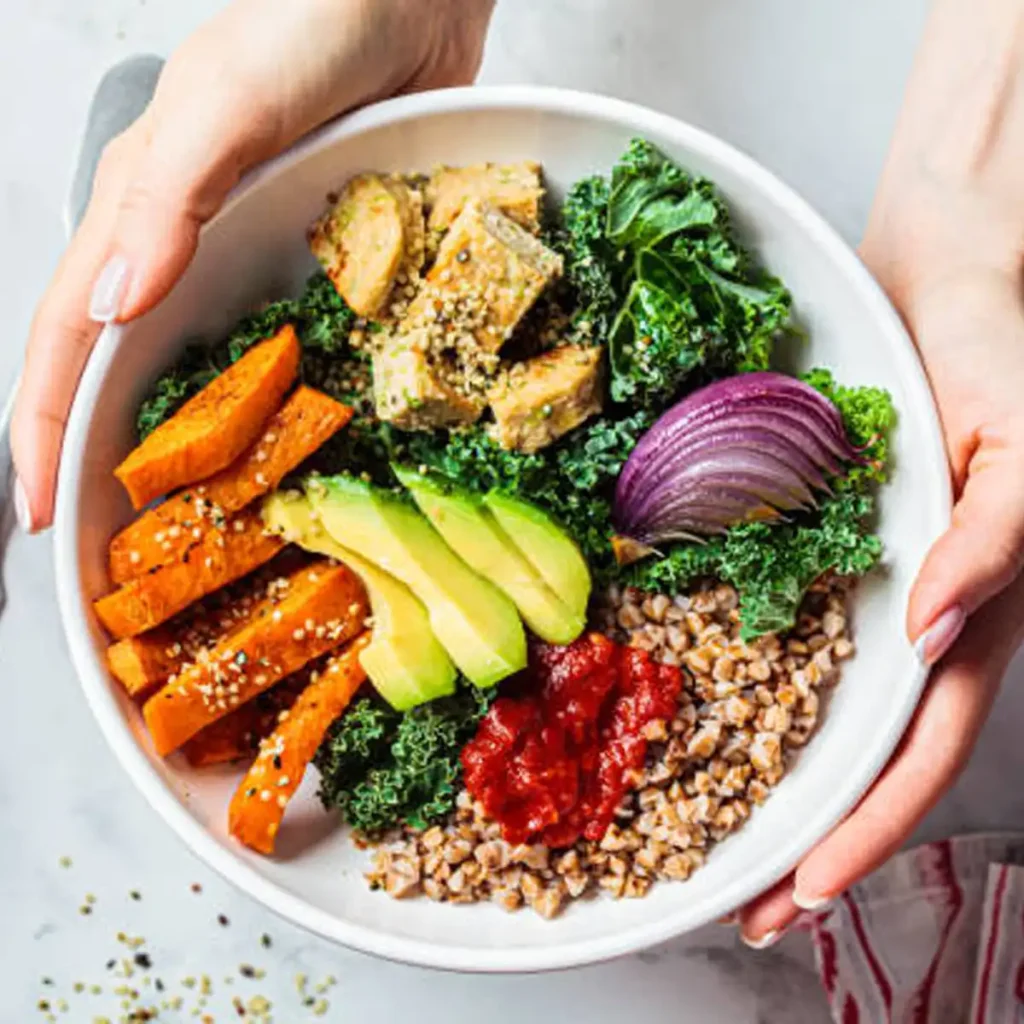
Plant-based dining has moved well beyond simple salads. Chefs now build layered dishes with roasted brassicas, fermented pastes, seaweed, smoked legumes, slow-cooked mushrooms, and nut-based creams. This breadth of flavour asks more from the glass. Vegan wine made with natural wine and organic wine principles offers the cleanest fit. These bottles are typically produced with minimal intervention, precise hygiene, and a focus on fruit integrity. The result is higher natural acidity, finer texture, and clarity of aroma. That profile partners confidently with vegetables, grains, fungi, spices, and plant fats, where conventional, heavily processed wines can struggle.
The case for certified vegan wine starts in the cellar. Clarification without casein, isinglass, gelatin, or egg white removes a suite of animal proteins from the supply chain. It also pushes producers towards slower, gentler techniques such as gravity settling, racking, time on lees, and careful filtration. These choices preserve aromatic precursors, phenolic nuance, and mouthfeel. For pairing, that means sharper definition, less masking sweetness from oak, and a frame that supports high-impact flavours rather than competing with them.
The vegan wine foundation and why purity matters in pairing
Certification signals a verifiable process. A vegan seal confirms that no animal-derived fining aids were used and that adhesives, capsules, and closure choices also meet the standard. It is not only an ethical marker. It is a practical cue for sommeliers that the wine is likely to be fresh, bright, and texturally honest.
Three sensory advantages explain why these bottles work so well with plant cuisine.
- Acidity as structure. Many vegan-friendly producers harvest at an optimal balance or favour high-acid varieties. Elevated natural acidity cuts through cashew cream, tahini, coconut milk, and olive oil emulsions in the same way a squeeze of lemon sharpens a dish. With salads, tomato sauces, and pickled elements, a high-acid wine does not pair. It holds its line.
- Texture from lees and native yeast. Unfined wines often spend time on yeast lees. Autolysis adds subtle savouriness and a gentle creaminess without added sugar or oak sweetness. Fermentations with native flora can broaden the mid-palate and amplify savoury notes. Those cues echo the umami of miso, soy, nutritional yeast, and slow-roasted mushrooms.
- Measured tannin. Many natural reds prioritise fruit purity and light extraction. Softer tannins avoid the well-known clash between firm red wine phenolics and the bitterness of kale, rocket, chicory, and charred broccoli. Where structure is needed, winemakers can rely on whole-cluster lift, stem-derived spice, and acidity instead of heavy maceration.
Decoding plant flavours and the four pairing commandments
Vegetable-driven plates come with specific chemical signals. Know them, and pairing becomes predictable. Use these four rules with wine pairing in mind.
Conquer umami with savoury texture.
The challenge. Umami can make dry, tannic reds taste metallic or hollow. Dried shiitake, porcini, black garlic, soy sauce, fermented black beans, and miso intensify the effect.
The move. Match earth with earth and add phenolic texture.
- Orange wine from extended skin contact brings grip, gentle tannin, and oxidative notes that sit comfortably beside soy, sesame, and mushroom ragout.
- Mature, lighter-bodied reds such as cool-climate Nebbiolo, Gamay, or Pinot Noir develop truffle, undergrowth, and dried herb complexity without the hard edges of young, concentrated tannin.
- Amphora-raised whites and unfiltered Chenin Blanc with time on lees supply a waxy texture that links with miso-glazed aubergine, tempeh, or slow-cooked beans.
Tame bitterness with bright fruit and soft tannin
The challenge. The glucosinolates in brassicas and polyphenols in dark chocolate intensify bitterness when they meet firm red tannins.
The move. Choose low-extraction reds or structured rosé with vivid fruit.
- Natural Gamay from Beaujolais or cool regions offers red cherry, low tannin, and high drinkability. It flatters roasted Brussels sprouts, salsa verde, or pistou.
- Loire Cabernet Franc in a lighter, unoaked style brings raspberry fruit and green herb notes that echo rocket, parsley, and tarragon without adding astringency.
- Dry rosé with good acid clears fat from pesto pasta or charred broccoli and resets the palate.
Offset heat with acid and a touch of sweetness
The challenge. Alcohol amplifies capsaicin burn. Heavy oak and high tannin also jolt spice-led dishes.
The move. Lower the alcohol, raise the acid, and allow a hint of residual sugar if needed.
- Off-dry Riesling labelled feinherb or Kabinett carries lime, white peach, and high acid that cool chilli heat in Thai curries, mapo tofu, or chilli-marinated cauliflower.
- Low-alcohol sparkling wines offer carbonation and chill that sweep spice from the tongue.
- Aromatic whites such as Muscat or Torrontés match cumin, coriander, and turmeric, provided they are dry or off-dry and not overtly bitter.
Match acidity with acidity
The challenge. Lemon, tomato, verjuice, and vinegar make low-acid wines taste flat.
The move. Serve wines with equal or higher acidity than the dish.
- Sauvignon Blanc, Albariño, and Grüner Veltliner are natural allies for tomato-based sauces, gazpacho, and lemon-dressed salads.
- High-acid rosé from Provence-like styles refreshes with pizza, caponata, or escalivada.
- Cool-climate Chardonnay without heavy oak syncs with pickled elements and herb dressings.
Fun fact: In culinary chemistry, acidity in wine and food does not add together linearly. A high-acid wine often tastes softer beside acidic food because the palate normalises to the dish’s pH.
The pairing matrix for plant-based profiles
Use this quick map to select styles for standard vegan food profiles. Each recommended category should be a certified vegan wine to guarantee animal-free production.
Earthy and herbal
- Styles. Loire Cabernet Franc, natural Gamay, cool-climate Pinot Noir, skin-contact Pinot Gris, and amphora-raised white blends.
- Plates. Lentil stews, mushroom ragout, grilled courgette with thyme, beetroot carpaccio, herb-crusted tofu.
- Why it works. Savoury notes and lifted acidity mirror herbs and earth, while gentle tannins avoid a bitter feedback loop.
Rich and creamy
- Styles. Skin-contact whites, lees-aged Chardonnay with minimal oak, Chenin Blanc sec, textural Fiano, Vernaccia with fine phenolics.
- Plates. Cashew alfredo, vegan carbonara, celeriac purée, cauliflower cheese, almond ricotta gnocchi.
- Why it works: phenolic grip and lees-derived creaminess cut richness without sweetness. The wines bring nutty, bready tones that integrate with sauces.
Crisp and clean
- Styles. Riesling, Albariño, Grüner Veltliner, Picpoul de Pinet, dry Muscadet, youthful English sparkling.
- Plates. Tempura vegetables, salt-and-pepper tofu, cucumber salads, seaweed crisps, green mango slaw.
- Why it works. High acidity and saline cues refresh oil and salt, amplify crunch, and highlight delicate aromatics.
Smoky and charred
- Styles. Cool Syrah with pepper spice, País, Mencía, Frappato, youthful Bardolino.
- Plates. Coal-roasted aubergine, charred leeks, smoked beetroot, barbecue jackfruit.
- Why it works, peppery lift and red fruit carry smoke and char without turning ashy. Avoid heavy new oak that doubles the char.
Sweet and sour
- Styles. Off-dry Riesling, demi-sec Chenin Blanc, sparkling demi-sec, Malvasia secco with a touch of RS.
- Plates. Sweet-and-sour tofu, pineapple fried rice, tamarind-glazed vegetables.
- Why it works. A measured gram of sugar per litre or two cushions sourness and heat, while acid keeps the finish dry.
The sommelier’s corner advanced scenarios
Miso-glazed aubergine and skin contact aromatics
- The dish. Roasted aubergine coated with a miso and soy glaze, finished with sesame and spring onion.
- The wine. Unfiltered, skin-contact Gewürztraminer or Pinot Gris from a vegan-certified producer.
- Why. Skin contact supplies fine tannin to hold the glaze. Gewürztraminer’s rosé, ginger, and lychee notes link to sesame and miso sweetness. Keep alcohol consumption moderate.
Vegan cacio e pepe and Rhône white texture
- The dish. Pasta tossed with nut-based parmesan, olive oil, and cracked black pepper.
- The wine. Vegan, unfined Rhône white blend of Roussanne and Marsanne, ideally raised on lees in neutral vessels.
- Why. Waxy weight and savoury bitterness meet fat and pepper. Elevated acidity avoids heaviness. Oak should be old or minimal.
Charred broccoli and smoky whole cluster reds
- The dish. Charred tenderstem broccoli with lemon, chilli flakes, and almonds.
- The wine. Whole-cluster natural wine Gamay or Nerello Mascalese with stem spice and crunchy red fruit.
- Why. Stems contribute a peppery lift that echoes chilli. Bright fruit counters bitterness. Almonds bridge to gentle tannin.
Tomato-rich ragù and high-acid white or rosé
- The dish. Tomato and lentil ragù with rosemary and olives.
- The wine. Consider a rosé with bite or a high-acid white such as Assyrtiko.
- Why. pH alignment keeps fruit vivid. Saline and citrus length slice through olive oil and depth.
Service variables that make or break the match
Pairing is not only about the label. Temperature, glassware, and slight aeration often separate a good match from a great one.
- Serving temperature. Drop light reds to 14-15°C to tighten tannin and brighten fruit with brassicas or spice. Keep high-acid whites at 8-10°C for fried dishes. Allow skin-contact whites to open at 12-13°C for maximum texture.
- Glass choice. Use larger bowls for aromatic whites and lighter reds to expand savoury tones. Flutes mute aromatics. For vegan sparkling, a tulip preserves mousse while showcasing fruit.
- Aeration. Brief decanting softens reduction and volatile acidity sometimes present in low-intervention wines. A 20-minute splash is often enough to maintain freshness without blurring.
Ingredient-led pairing quick wins
Mushrooms
- Go to. Skin-contact whites, mature Pinot Noir, Jura-style oxidative Savagnin without heavy fortification.
- Avoid—very young, high-tannin Cabernet Sauvignon.
Brassicas
- Go to. Gamay, Bardolino, dry rosé, Grüner Veltliner.
- Avoid—heavily toasted oak and thick extraction.
Fermented and pickled flavours
- Go to—Riesling, Albariño, Muscadet, pét-nat with firm acidity.
- Avoid—Low-acid Chardonnay with overt malolactic creaminess.
Nuts and seeds
- Go to—lees-aged Chardonnay, Chenin Blanc, and orange wine.
- Avoid. Syrupy sweetness that overwhelms savoury nut notes.
Sea vegetables
- Go to. Coastal whites with saline drive, such as Picpoul de Pinet or Assyrtiko, and English sparkling with chalk-borne acidity.
- Avoid. Heavy vanilla oak that clashes with iodine notes.
How to build a vegan pairing list for a restaurant
A practical, balanced list for plant cuisine should be compact, seasonal, and resilient.
- Anchor with acid. Stock reliable high-acid whites from multiple regions to mitigate supply gaps: Riesling, Albariño, Assyrtiko, Grüner Veltliner.
- Add texture. Carry at least two skin-contact whites with distinct phenolic profiles: one aromatic (Gewürztraminer or Muscat) and one neutral-to-mineral (Pinot Gris or Ribolla).
- Keep reds light to medium. Prioritise Gamay, Pinot Noir, País, Mencía, and crunchy Sangiovese made with gentle extraction.
- Cover fizz. Include a vegan-certified traditional-method sparkling for high-acid, celebratory pairings and a pét-nat for informal menus.
- Budget tiers. Offer quality by-the-glass options at accessible price points and one or two cellar picks for special menus. Vegan certification should be visible on the list.
Reading labels and asking the right questions
Vegan status is not always obvious. Use these steps to confirm.
- Look for marks. Recognised vegan symbols on the back label assure that fining, adhesives, and packaging have been audited.
- Confirm the closure. Some bottle glues and capsule materials are not vegan. Certified bottles address this.
- Ask about finning and filtration. Unfiltered is a strong indicator but not a guarantee. Vegan fining can include bentonite clay or pea protein.
- Check the sulphite policy. Low-intervention wines often declare total SO₂ figures or state no added sulphites. For pairing, focus on balance rather than absolute zero.
Common pitfalls and how to avoid them
- Over-oaked matches. Vanilla, toast, and coconut notes can smother herb-led dishes and amplify bitterness. Choose neutral vessels or older barrels.
- Alcohol creep. A 15% red turns chilli into a blaze—cap alcohol at 13% for spicy plates.
- Residual sugar mismatch. Too much sweetness on a savoury dish tastes cloying. Use off-dry styles with heat or sour components, not with rich, savoury creams.
- Low-acid wine with acidic food. This is the fastest route to flabby pairing. When in doubt, increase wine acidity.
Sustainability and ethics as quality signals
For a growing segment of drinkers, flavour is necessary but not sufficient. Vegan certification intersects with organic and biodynamic farming, lighter packaging, and transparent supply chains. These choices correlate with cleaner, fresher flavour and reliability across vintages. Restaurants and retailers can use these signals to build trust and to educate guests who search for vegan wine and natural wine with confidence.
Worked on menus and flight ideas
Street food spice flight
- Mushroom gyoza with black vinegar. Pair with Albariño.
- Cauliflower katsu with curry sauce. Pair with off-dry Riesling.
- Kimchi pancake with spring onion. Pair with pét-nat of Chenin Blanc.
Comfort classics flight
- Vegan macaroni with smoked almond crumb. Pair with lees-aged Chardonnay.
- Lentil shepherd’s pie with rosemary mash. Pair with natural Gamay.
- Sticky toffee date pudding with salted miso caramel. Pair with demi-sec sparkling.
Summer garden flight
- Heirloom tomato salad with basil oil. Pair with Provence-style rosé.
- Charred asparagus with lemon zest and hazelnuts. Pair with Grüner Veltliner.
- Watermelon and mint with sea salt. Pair with English sparkling brut.
Buying guide for home cooks
- Stock a high-acid white. Riesling or Albariño handles salads, tomatoes, and spice.
- Keep a textural white. Skin-contact Pinot Gris or a leesy Chardonnay suits creamy sauces.
- Add a light red. Gamay or Pinot Noir pairs well with roasted vegetables, mushrooms, and grains.
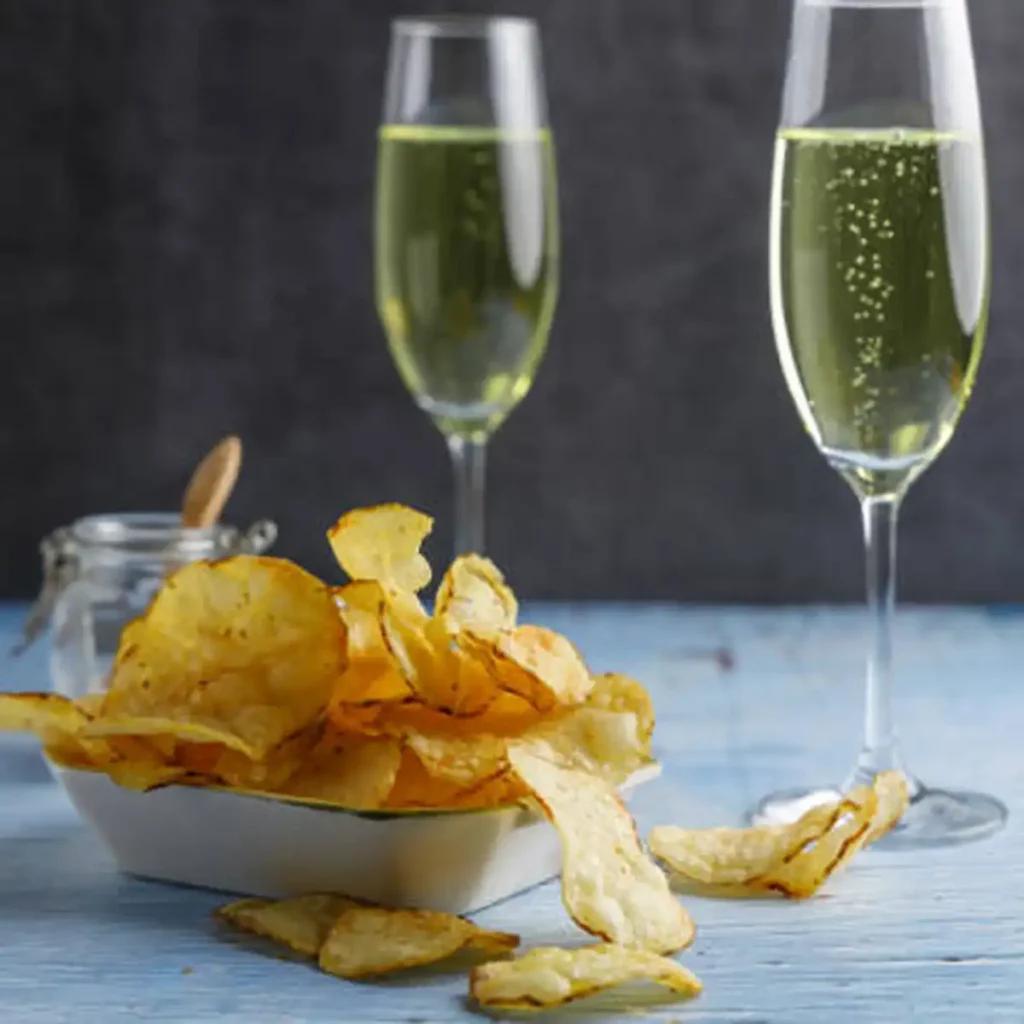
- Have bubbles ready. Vegan-certified sparkling turns fried or salty snacks into a pairing win.
Putting it all together
Great plant-based pairing is not mysterious. Start with a certified vegan wine to ensure purity and clarity. Map the dish by dominant elements: acid, fat, umami, spice, or bitterness. Choose a style that counters or complements those features using the rules above. Serve at an appropriate temperature and in the proper glass. Adjust with a brief chill or a short decant to refine the fit at the table.
Conclusion: finding the line between purity and pleasure
Modern plant cuisine is confident, layered, and flavour-dense. Vegan wine aligned with minimal intervention gives you the precision toolset to meet it on equal terms—high natural acidity slices through richness. Native-yeast complexity mirrors fermentation, and umami—gentle tannin respects greens and char. The result is not only compatibility but lift, where the wine carries flavours forward and the dish reveals new detail in the glass.
For home cooks and professionals, the path is straightforward. Build a small, versatile set of certified vegan bottles that emphasise freshness and texture. Learn the four commandments and apply them without dogma. Taste widely across regions and grape varieties that deliver acid and clarity. When wine and food share this focus on purity, the pairing does not distract. It clarifies. The plate and the glass speak with the same clean voice.


