

Wine lovers reach for the word terroir when they want to explain why one hillside speaks differently from the next. The term covers soils, climate, topography, local microbiology, and human practice over time. It is expansive in scope and often stretched in use. The practical question for drinkers is more straightforward. Which cellar choices best preserve place in the glass?
A growing coalition of growers argues that biodynamic wine, made according to vegan wine standards, delivers the most faithful answer. The approach marries regenerative farming, which builds living soils, with low-input cellar work that avoids animal products and aggressive processing. The result is a style that privileges clarity of origin over cosmetic polish. For sommeliers, buyers, and curious drinkers, it frames terroir not as a slogan but as a method.
Biodynamics is explained as supercharged organic farming
Biodynamics begins in the vineyard and treats the farm as a self-regulating organism. The system, first outlined by Rudolf Steiner in the 1920s, builds on organic principles and adds a program for soil vitality, biodiversity, and closed-loop resource use. It is less about mystique and more about disciplined husbandry that restores biological function.
Practical tools that build living soils
Biodynamic growers use two linked sets of practices. First, specific preparations are made from herbs and minerals, often composted before use. A well-known example is horn manure, sometimes referred to as preparation 500. Small quantities are stirred in water and applied to soil to favour humus formation and microbial activity. Another, horn silica or preparation 501, is used sparingly on foliage to support canopy balance and ripening. Second, work in the vineyard is scheduled with attention to natural cycles. Many producers plan pruning, spraying, cultivation, and harvest around lunar and seasonal patterns to reduce stress and time operations with plant physiology.
The soil microbiome is the engine of site expression
The strongest scientific signal in biodynamic farming lies in the soil. Healthy, undisturbed soils support a vast web of fungi, bacteria, and microfauna. These communities cycle carbon, unlock trace elements, improve structure, and stabilise moisture. In vines, that translates to balanced growth and grape chemistry that needs fewer corrections later. Put simply, living soils feed vines in a way that is slow, complex, and site-specific. That nuance is what tasters call place.
Vegan winemaking completes the purity loop
The vineyard can only carry a wine so far. Cellar choices either transmit or mask what has been grown. A vegan wine stance closes the loop by keeping animal products out of the process and pushing the cellar toward minimal intervention. The approach is ethical by design and practical in outcome.
Removing animal fining agents
Conventional clarification often leans on proteins from eggs, milk, fish, or gelatin. These agents bind to suspended particles and drop them out of solution. The method works quickly and produces shine, but it can strip texture and aroma precursors along with haze. Vegan producers avoid these inputs. When stability is needed, they prefer plant-based proteins, bentonite clay, careful settling, and time. Many wines are left unfined entirely.
Preserving detail through gentle handling
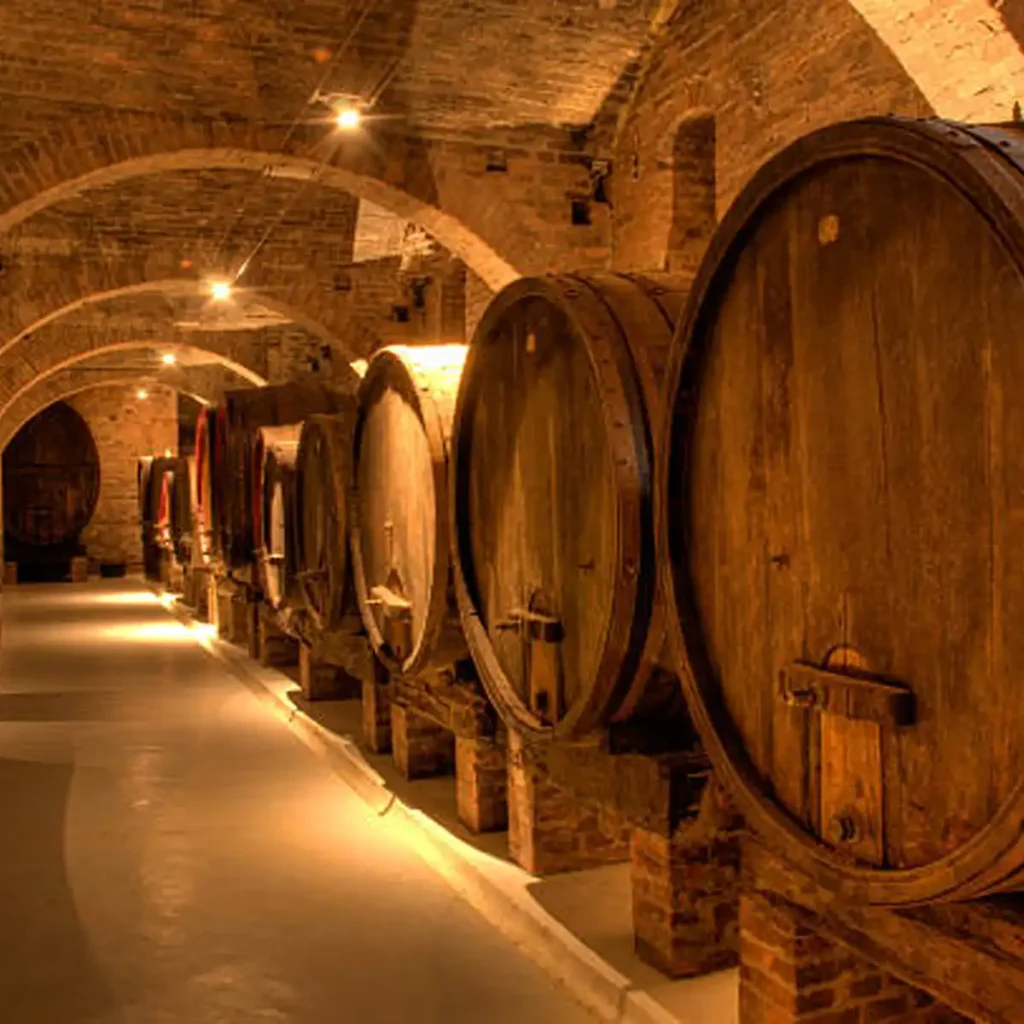
Avoiding animal farming is not a slogan. It is a technical choice that carries consequences. Vegan producers invest time in natural settling, cool storage, and patient racking to clarify. They manage oxygen with top-ups, clean vessels, and thoughtful movement rather than heavy sulphiting. The result is less polishing and more preservation. Fine lees contact, kept clean and monitored, can add texture and protect aroma without additives. In red wine, long maturation smooths tannin, similar to how egg whites do. In whites, lower intervention helps retain delicate compounds that express site.
Native yeast and unfined wines reveal a place-driven palate
Terroir is not just chemistry. It is the way a wine feels and unfolds. Natural wine methods that rely on native microbiology and low-input clarification tend to foreground those cues.
Ambient fermentation as a vineyard fingerprint
On healthy fruit, the bloom carries a diverse mix of yeasts. In clean cellars, wood and concrete can host stable microbial communities that persist from season to season. Fermenting with native yeast taps into that ecology. The course of fermentation can be slower and less predictable than with commercial strains, yet it often broadens the spectrum of secondary compounds that drive complexity and length. The key is hygiene, temperature control, and patience. Where the vineyard is farmed for balance and cleanliness, ambient ferments are not a gamble. They are a language for a place.
The sensory effect of low intervention
Drinkers often describe biodynamic vegan wines with a consistent set of terms. Purity. Lift. Precision. A line of acidity that feels energetic rather than sharp. In mineral-driven sites, a saline or chalk dust finish. In structured reds, tannins feel woven rather than sanded. These traits do not appear by magic. They come from fruit that is physiologically ripe without excess sugar, from careful extraction that resists rough handling, and from elevage that respects time. Unfiltered bottling can leave a light haze or throw deposit with age. This is cosmetic, not a fault. Decanting solves the issue in service and leaves the detail intact.
Fun fact: The faint crystals you sometimes see in a chilled bottle are tartrates, a natural salt of tartaric acid and potassium. They are harmless and a sign that the wine has not been aggressively stabilised.
Managing sulphites for clarity without compromise
The label warning contains a small word with a long history. Sulphites have a justified role as antioxidant and antimicrobial tools. The question is dose and timing. Minimal use protects freshness without flattening aroma.
How thoughtful sulphite use supports purity
Biodynamic vegan producers start by reducing the need for sulphur. Clean, healthy grapes ferment cleanly. Extraordinary, topped vessels blunt oxidation. Inert gas, full tanks, and careful movement limit oxygen exposure. Where sulphite is added, it is targeted. A small protective dose at bottling can secure shelf stability without muting the wine. The goal is balance—enough protection to ship and pour with confidence, not so much that the fruit expression is masked.
Why heavy fining can raise sulphur dependence
Stripping out colloids and phenolics reduces natural buffers. Wines that have been heavily fined can be more prone to oxidation and microbial issues. Producers then raise sulphite to compensate. It becomes a cycle of reaction. A low intervention path breaks that cycle. Keep what nature gives you. Correct only when necessary.
Clarification and stability using time and mineral tools
Clarity and stability are not enemies of authenticity. They are part of good practice. Vegan, low-intervention methods meet those needs with techniques that avoid collateral damage.
Gravity settling and racking
Clarity improves with rest. Post fermentation, a period of gross lees helps compact solids. Subsequent rackings remove sediment without filters. Cooler cellar temperatures accelerate settling and aid cold stabilisation in winter. This approach consumes time and space, but it preserves aroma and texture.
Bentonite and plant protein options
When a white wine carries a risk of protein haze, bentonite remains the standard vegan fining. The clay’s negative charge binds positively charged proteins, forming particles that settle naturally. Used judiciously, it secures brilliance with minimal flavour loss. In reds, where texture is precious, pea or potato-derived proteins can soften aggressive tannin without resorting to animal products. Cross-flow filtration, when applied at modest rates, offers another gentle tool that can polish clarity while keeping detail.
Certification, audit, and why trust matters
Labels help translate intent into shopper confidence. In this space, two marks carry weight. Demeter certification verifies biodynamic practice from soil to cellar. Recognised vegan labels ascertain the absence of animal inputs during production and packaging. Taken together, they offer a practical proxy for philosophy and process.
What Demeter asks of producers
Demeter certification requires conversion of the entire farm, not just a single block. It mandates composting, biodiversity, and on-farm resource cycling. It audits the use of preparations and records of timed operations. In the cellar, certain additives and techniques are restricted to keep intervention low. The process is not quick. Most estates need several years to convert and pass inspections. The result is consistency across vintages and credibility with buyers.
What vegan certification adds
Vegan certification focuses on the production chain. It looks at fining, filtration, and potential animal derivatives in packaging, including glue and closures. It gives drinkers a clear signal that clarifying agents derived from fish bladders, eggs, or milk were not used. For restaurants and retailers, the logo simplifies list planning and staff training. For consumers, it cuts through the noise.
Sensory benchmarks and styles across regions
Biodynamic vegan winemaking is not a recipe. It is a framework that allows regions to speak. The same methods yield different voices in different places.
Cool climate whites
In limestone or granitic soils, attentive farming and low intervention winemaking produce whites with taut acidity, delicate texture, and savoury detail. Expect citrus pith, crushed stone, and a long, saline finish. Lee’s ageing brings mid-palate weight without heaviness. Sulphur is modest, allowing floral and herbal top notes to lift.
Mediterranean reds
In warmer zones, fruit arrives ripe and deeply coloured. Gentle extraction preserves freshness and avoids blocky tannins. Unfined bottling leaves a satin feel, with spice and dried herb complexity. Oak, if used, is neutral or large format to avoid masking site character. Alcohol is balanced because it targets flavour ripeness rather than sugar maximums.
Skin contact and rosé
Skin contact white wines benefit from careful maceration, clean fruit, and slow elevage. The result is amber hues, tea-like tannins, and orchard fruit depth. Minimal sulphite lets volatile aromatics bloom. In rosé, short presses and cool ferments give precise red fruit and savoury lift. Both styles reward decanting and food pairing.
Service, storage, and smart buying
Practical guidance helps translate philosophy into better bottles on the table.
Storage and pouring
Low-intervention wines can be more sensitive to temperature and oxygen. Store in a cool, dark place. Chill whites and rosés slightly less than conventional examples to keep texture open. Decant when reduction or light spritz is present and give the wine a few minutes in the glass. Sediment is harmless. Leave the last centimetre in the bottle if you prefer a bright pour.
Reading labels and producer intent
Look for Demeter certification, reputable vegan logos, vineyard pictures that show ground cover and biodiversity, and plain technical sheets. Producers who are transparent about farming, fermentations, and sulphur use are usually transparent in the glass. Seek out growers who work their own vines and bottle on site. Ask retailers for estates that rely on native fermentations and have a track record of clean, stable wines.
Value and longevity
Not every bottle needs a long hibernation to shine. Fresh, site-expressive wines made with care often show best in the first 3 years. Structured examples can age on fine lees-derived texture and integrated tannin. Cellar conditions matter. Consistency beats perfect numbers. A cool cupboard is better than a warm shelf.
Addressing common questions with evidence and nuance
Clarity and balance are extra important in a category that carries strong opinions. A measured look at frequent concerns helps.
Do vegan and biodynamic choices change flavour
They changed the process, which indirectly changes the flavour. Avoiding protein fining preserves colloids and phenolics that support aroma and feel. Farming that builds soil life can shift acid, pH, and phenolic ripeness. The combined effect is a wine that feels less manipulated and more site-specific.
Are natural wines always cloudy or unstable?
No. Cloudiness is a choice, not a fate. Many low-intervention wines are brilliantly clear through settling and time. Stability depends on clean fruit, healthy ferments, and careful bottling. Low sulphur is not the same as no sulphur. Targeted additions at bottling can secure shelf life without dulling character.
Is biodynamics scientifically valid?
The certification bundles agronomy, composting, and biodiversity measures with a set of traditional practices. The measurable outcomes most relevant to wine quality are improved soil structure, higher organic matter, and richer microbial diversity. These improve vine health and reduce the need for correction in the cellar. That is a practical, evidence-aligned pathway to clearer terroir.
A producer lens on discipline and detail
Behind every clean bottle is a long list of small decisions. The most consistent biodynamic vegan estates show similar habits.
Vineyard routines
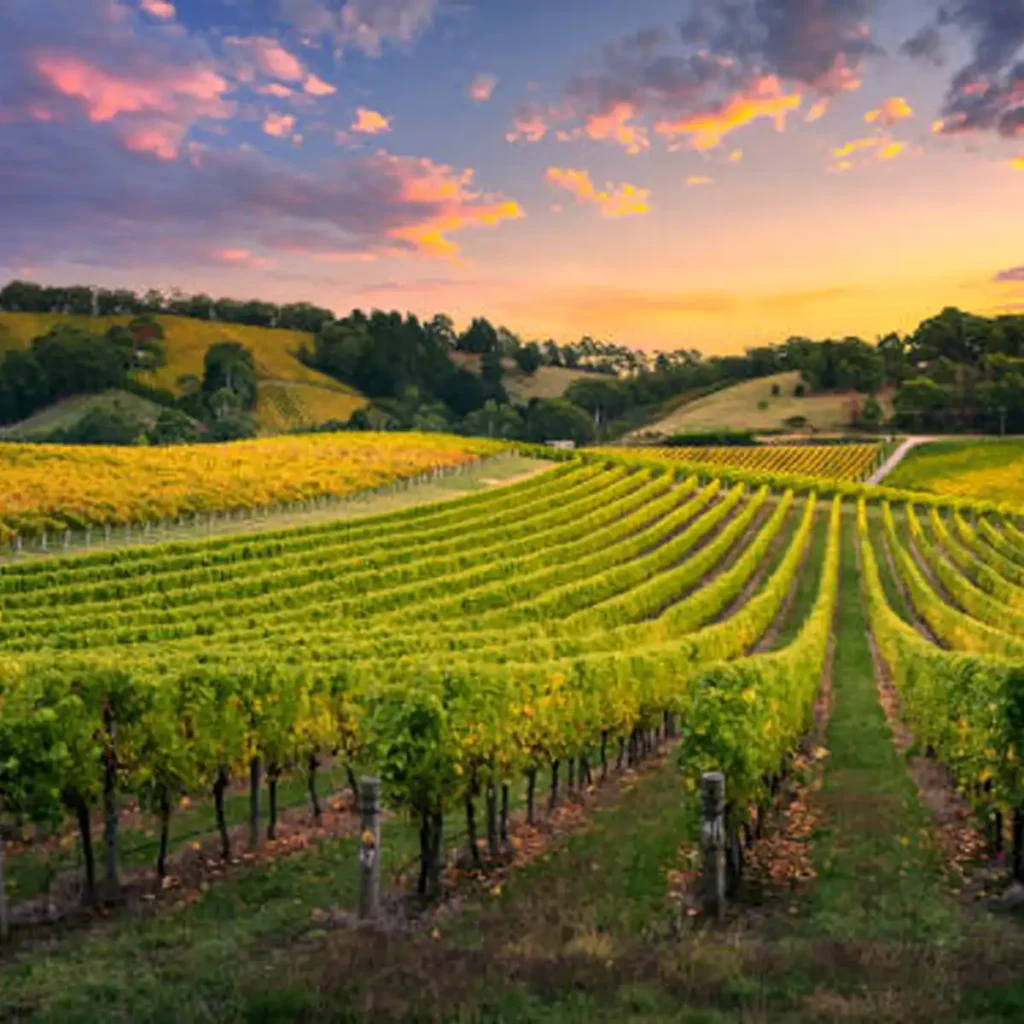
Cover crops are tailored to soil needs. Undervine management is mechanical, not chemical. Spray regimes use sulphur and copper sparingly, supported by teas and composts to strengthen plant resilience. Yields are kept moderate. Picking dates are chosen for balance, not maximum sugar.
Cellar routines
Fruit is sorted by hand. Pressing is gentle and fractioned. Fermentations run in steel, concrete, or old wood with ambient yeasts. Cap management is adapted to the year. Elevage is patient, with regular topping and oxygen checks. Movements are done by gravity or low-pressure pumps. Additions are rare and documented. Filtration, if used, is gentle.
Packaging choices
Lightweight glass or alternative formats reduce transport impact without sacrificing shelf presence. Labels are informative rather than theatrical. Closures are chosen for consistency and oxygen control.
Why this matters to drinkers and the trade
The case for biodynamic vegan winemaking is not only ethical or environmental. It is sensory and cultural. Restaurants gain wines that pair flexibly because fruit, acid, and texture are in balance. Retailers gain stories grounded in practice rather than marketing gloss. Consumers gain bottles that taste of somewhere, not of something done.
Food pairing strengths
The clarity and energy of these wines make them natural partners for plant-focused cooking, seafood, and prepared meats. Whites with saline edges lift raw and lightly cooked vegetables. Reds with woven tannins complement grilled dishes without drying the palate. Vegan wine lists can be built without compromise on quality or range.
Cultural relevance
Wine is at its best when it connects land, labour, and table. Biodynamic vegan producers sit close to that line. Their methods are labour-intensive and patient by design. They are also transparent. In an era of label fatigue, that openness has value.
Conclusion: the method that lets place lead
When the goal is to taste where a wine comes from, the least distorted path wins. Biodynamic farming builds soils that feed vines in complex, site-specific ways. Vegan, low-intervention winemaking carries that detail intact from press to bottle. Together, they reduce noise and amplify the signal. The result is not a uniform style. It is a clearer range of voices across regions and varieties.
Drinkers who want wines that feel precise, energetic, and grounded in site will find rich rewards here. Buyers who wish to trust marks can lean on Demeter and reputable vegan certifications. Producers who commit to the work find they need fewer fixes and spend more time listening to their fruit. The lesson is simple. When you remove what is unnecessary, what matters most becomes easier to hear.
Final reflection
A good wine speaks. A great wine listens first. In biodynamic vegan winemaking, listening starts in the soil and continues through every quiet, patient choice that follows.


